
Hybrid Well Support
Geomechanical support of drilling
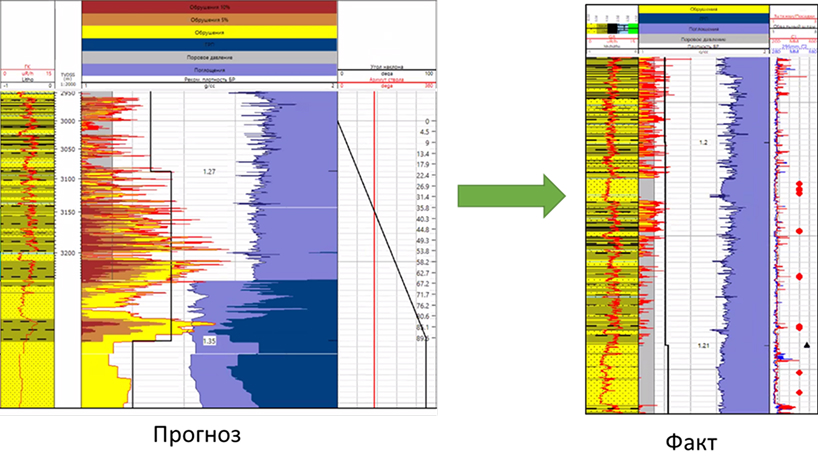
Geomechanical drilling support is a real-time decision-making tool that enables immediate response to changing geological and operational conditions during well construction. Continuous updating of the geomechanical model using actual field data significantly reduces existing risks related to wellbore stability.
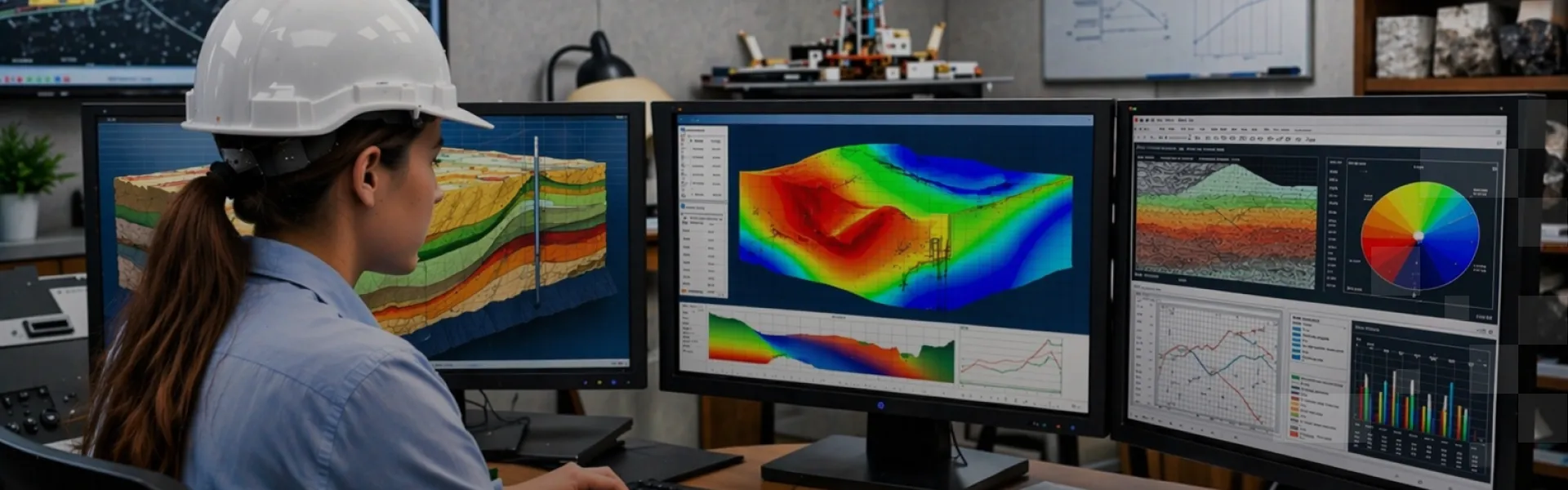
The input data for support includes a pre-drill geomechanical model and a risk map. Geomechanical support is carried out using specialized software with the capability to integrate real-time data from mud logging (MWD), downhole tools, and MWD/LWD systems. To update the model in real time, all available data are used, and key correlations are built from incoming logs to calculate actual pore pressure gradients, collapse gradients, and fracture gradients. The geomechanical model is updated continuously 24/7 as new data are received.
Depending on potential drilling hazards, the geomechanics engineer identifies early signs of instability and provides recommendations for risk mitigation. In many cases, the geomechanics engineer acts as a link between office-based teams and field engineers, responding instantly to abnormal situations and helping prevent wellbore complications.
Hybrid Drilling Support
For wells drilled in challenging geological environments, Stim Services provides a hybrid engineering support model that remains a unique solution for many projects. The approach combines real-time remote geomechanical expertise with the continuous on-site presence of a drilling engineer, enabling seamless integration of subsurface analysis and field execution.
Our geomechanics specialists continuously analyze incoming drilling data, update the geomechanical model, evaluate wellbore stability, and identify potential drilling hazards before they impact operations. Meanwhile, the on-site drilling engineer oversees field operations, translates engineering recommendations into action, and works alongside the drilling crew and the client's field team to optimize execution.
This integrated approach eliminates the traditional disconnect between remote technical analysis and field operations. Rather than providing recommendations alone, our specialists help implement engineering decisions where they matter most—at the wellsite. Clients work with a single multidisciplinary engineering team that shares responsibility for the overall technical performance of the well.
Key Benefits
- 24/7 engineering support throughout the entire well construction process.
- Continuous updates of the geomechanical model using real-time drilling, logging, and operational data.
- Rapid development and implementation of engineering recommendations based on advanced drilling analysis software.
- Reduced risks of well control events, stuck pipe, wellbore instability, lost circulation, and other geomechanical challenges.
- Lower non-productive time (NPT) through timely engineering decisions and proactive risk mitigation.
- Real-time operational guidance for drilling crews based on continuously optimized drilling parameters.
- Development of drilling programs based on an updated geomechanical model.
- Unified daily engineering reports summarizing completed operations, identified risks, and recommendations for the next stages of drilling.